11630 SW 97 Street, Miami, Florida 33176, US
 +1-786-628-7980
 Sign Up/Sign In
  11630 SW 97 Street, Miami, Florida 33176, US
Stay calm and focus on each step instead of getting stressed out. Moreover, sending a news release is as interesting as writing a good press release. If you follow the steps when you send a news release, you can get results faster. Consider it a small part of the press release process. The news statement appears trickier than it seems.
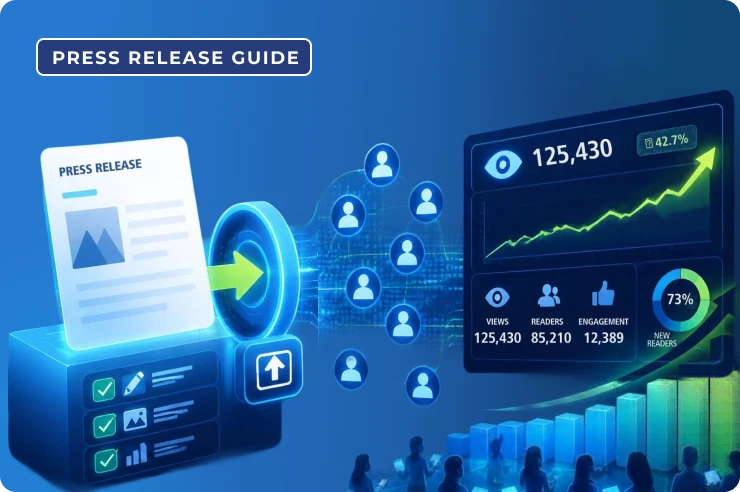
Furthermore, following the instructions in your press release makes the difference between a press release that gets a lot of attention and one that ends up at the bottom of the paper shredder. This guide discusses important steps and one extra step you can take to evaluate how well the release performed after being sent out into the world.
You might also find the Comprehensive Guide to Writing a Press Release helpful in understanding how to create one.
We have compiled six essential steps for you to consider before sending a press release. Ultimately, these tips will help you communicate with people, get media attention, and stand out in a crowded field by getting people’s attention, earning trust, and making it easy for authors and media to work together.
First, you must put yourself in their shoes to understand your audience. Second, to connect with someone, consider their point of view. Third, before releasing a press release, it is essential to have a clear grasp of the objective and target audience. You may need help determining your target audience, which wastes your time. So, to better identify and categorize your target demographics, follow our company’s principles and use audience analytics tools.
Why? Since you only get views and revenue once, you should target the audience interested in your press release. Interests and demographics may be taken into account.
For instance, a food company released a press release aimed at average customers instead of nutrition journalists. The message did not appeal to them, and the release attracted little notice.
Specifically, reporters, bloggers, investors, consumers, and influencers are the primary audience for your press release. You can interact with them and forward your message. They will surely engage when you approach and interact with them. Therefore, remember to contact the media outlets and reporters relevant to your region.
You must first comprehend your audience by:
Knowing exactly your audience will help you be confident. Moreover, learning how to create an attention-grabbing press release with a strong framework is critical, as you only have one chance to speak, regardless of your communication skills level.
You are aware that badly written press releases may need to be considered. If you need more money, consider spending it on training or hiring a professional writer to improve the quality of your press releases. Data indicates that press releases containing multimedia components, such as photographs or videos, may boost engagement rates up to six times compared to text-only releases.
Step 3. Properly Format Your Press Release
You will succeed if you have a solid structure. Therefore, for individuals to comprehend the advice in your press release, make sure it appears professional and is easy to read and scan. You may use this standard format for this:
The choice of the appropriate press release distribution technique comes second most importantly. Although many options exist, balancing their offerings and costs is crucial.
Approximately 85% of reporters prefer receiving press releases through email. Ineffective distribution tactics can reduce your business’s visibility. To overcome this, use iCrowdnewswire and other PR distribution agencies specializing in your business to expand your reach and solve this problem.
Picking the right distribution strategy can help get your press release in front of the right people and catch their attention. Consider these factors when choosing a distribution channel.
Check out iCrowdNewswire for effective distribution.
To better understand how to evaluate a press release, consider these four factors think about these four things.
First, quality over quantity: The most obvious way to evaluate a distribution service is by seeing how it manages releases. Does it prioritize quality or quantity? Accordingly, choose a service that values quality above quantity. After all, how useful are 100 releases if no one reads a paragraph? Many top-tier providers prioritize release quality and quantity. Thus, choose one that balances both.
Second, consider who caters to your budget. The most significant element is your budget and the provider’s willingness to work with you. Providers using this media spend minimal money on it, so PR distribution providers adjust their packages accordingly. Always choose the service within your budget, no more or less. This method maximizes your budget.
Finally, track record: Choose the individual whose completed efforts feature victories, not failures. This basic, boring concept is important: let young enterprises prove what they can achieve. Remember that the small operator must succeed in a competitive market, even if many PR delivery firms have high reputations. Additionally, they are cheaper than Cision or PR Newswire.
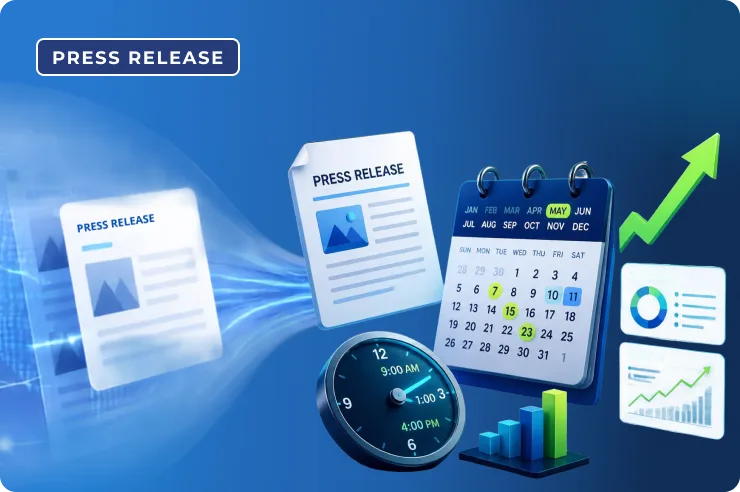
If you time it correctly, you can improve results. Sending your press release with care increases its chances of being viewed and having an impact. For instance, journalists are more likely to open and read press releases sent on monday mornings since journalists plan their week.
Here is how to choose the optimum moment to send:
Our study shows that approximately 90% of journalists welcome follow-up emails, which may boost press release coverage. Therefore, it is important to ensure that the release gets attention.
Here is the right way to do it:
Increasingly, companies are getting attention by highlighting their environmental, Social, and Governance efforts in their ESG press releases. PR success reports can be seen as feedback from the service to the client about how well the release did when sent out into the world. There are three components to it:
First, temporary report: The service sends the client the report after the original release time has passed. The report provides a simple list of where the PR was posted, how many languages it was translated into, and similar things.
Next, master report on distribution: The next level is a master distribution report, which tells the client about the clicks and views the release has received, the media distribution sites where it appeared, and the groups it has reached.
Finally, reports on digital distribution: Digital distribution reports have all the information from the other reports plus more. They show how many views and clicks the release got from each country in a region, from which demographics, and even what sites and how they showed it. Many consider reports on digital distribution to be premium performance reports, available only with high-end packages. They are full reports showing how well the release did regarding views, clicks, and publicity.
In short, press releases effectively spread the news and messaging, but a well-planned and executed press release immediately gets your company noticed. People want to have all the key information that could influence their choices. It is important to be clear and concise to avoid misunderstandings and help build trust.
Also, businesses have to handle competition. For this reason, your news may get lost in the shuffle if you do not improve your authenticity by following the six steps: knowing your target, crafting an engaging press release, utilizing an excellent format, selecting the appropriate distribution channels, sending it in at the proper time, and following up.
Lastly, always test the effectiveness of your press release after it is created. This will help you avoid problems in future releases.
A well-written public relations brief will outline your company’s objectives and marketing targets. It will also include your rivals, important audiences, USPs, and market position. Practical topics like your other marketing initiatives, internal resources, and the outside assistance you require will also be covered.
It is simple to schedule a demonstration of their press release marketing strategy. You can contact them by phone, email, or in person. Contacting them is important; your attitude and actions will influence how they manage your account and releases. Therefore, contact them, schedule a release demo, and discover the magic of press release marketing for yourself.
The title and the dateline you provide at the start will let reporters assess the substance of your press release. In particular, the first paragraph contains two or three crucial phrases about your tale. Then, you go further on that topic in the next body paragraphs.
The title and the dateline you provide at the start will let reporters assess the contents of your press release. Specifically, the opening paragraph contains two or three important lines about your tale. Finally, you dig more into the topic in the next body paragraphs.

You may like these post too