 11630 SW 97 Street, Miami, Florida 33176, US
 +1-786-628-7980
 Sign Up/Sign In
  11630 SW 97 Street, Miami, Florida 33176, US
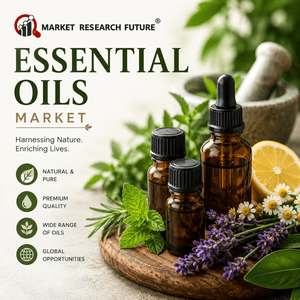
The global essential oils industry is undergoing a transformative expansion, fueled by increasing consumer inclination toward plant-based solutions, wellness-focused lifestyles, and sustainable product formulations. According to recent industry insights, the market was valued at approximately USD 19.86 billion in 2025 and is projected to grow from USD 21.68 billion in 2026 to nearly USD 46.18 billion by 2035, registering a robust CAGR of 9.78% during the forecast period. This remarkable growth trajectory reflects the expanding integration of essential oils across personal care, pharmaceuticals, food and beverages, and aromatherapy applications.
The growing shift away from synthetic chemicals toward naturally derived ingredients is significantly influencing product development strategies across industries. Essential oils—volatile plant extracts obtained primarily through steam distillation or cold pressing—are gaining prominence due to their perceived therapeutic benefits and eco-friendly profile. Increasing regulatory scrutiny on synthetic fragrances and additives has further accelerated the adoption of essential oils in cosmetic and healthcare formulations.
One of the most prominent trends shaping the essential oils market is the rapid adoption of clean-label and organic formulations. Consumers are increasingly prioritizing transparency in ingredient sourcing, leading manufacturers to emphasize traceability and sustainability certifications. This trend is particularly evident in premium skincare and wellness products, where essential oils are positioned as functional ingredients delivering both sensory and therapeutic value.
Another key trend is the growing integration of aromatherapy into mainstream healthcare practices. Hospitals and wellness centers are increasingly incorporating essential oils into stress management, sleep therapy, and respiratory treatments. The rising popularity of home diffusers and wellness devices has also contributed to the surge in demand for customized essential oil blends.
Technological advancements in extraction methods, such as supercritical CO? extraction, are enhancing the purity and efficacy of essential oils. These innovations enable manufacturers to preserve delicate aromatic compounds, thereby improving product quality and expanding application potential in high-end fragrance and pharmaceutical industries. Furthermore, digitalization in supply chains is improving transparency, allowing consumers to trace the origin of essential oil products.
Request for Sample PDF Copy: https://www.marketresearchfuture.com/sample_request/2024
The essential oils market is characterized by a mix of global conglomerates and specialized producers focusing on quality, sustainability, and innovation. Leading companies are investing heavily in research and development, sustainable sourcing, and advanced extraction technologies to strengthen their market position. Key players are also expanding their product portfolios to cater to diverse applications, including aromatherapy, cosmetics, and food flavoring.
Prominent companies operating in the market include doTERRA International, Young Living Essential Oils, Symrise AG, Givaudan SA, Firmenich SA, International Flavors & Fragrances Inc., Robertet Group, and Plant Therapy Essential Oils. These organizations are focusing on strategic partnerships, mergers, and acquisitions to enhance their global footprint. Additionally, many companies are adopting direct-to-consumer models through e-commerce platforms, enabling them to build stronger customer relationships and improve brand loyalty.
Europe emerged as the dominant region in the global essential oils market, accounting for approximately 44.15% of the total market share in 2025. The region’s leadership can be attributed to its well-established fragrance and cosmetics industry, along with strong production capabilities in countries such as France and Germany. The presence of advanced distribution networks and stringent quality standards further supports market growth in Europe.
North America holds the second-largest share, driven by rising demand for organic and certified essential oil products. The region’s regulatory support for aromatherapy and wellness products has encouraged innovation and increased consumer adoption. Additionally, the growing focus on mental health and stress management has fueled demand for essential oils in therapeutic applications.
Asia-Pacific is projected to be the fastest-growing region, with a CAGR of approximately 12.38% during the forecast period. Countries such as India and China are playing a pivotal role in this growth, supported by expanding production capacities and increasing consumer awareness of natural products. The region’s abundant availability of raw materials and cost-effective manufacturing capabilities make it a key hub for essential oil production and export.
Latin America and the Middle East & Africa are also witnessing steady growth, driven by rising disposable incomes, urbanization, and increasing adoption of natural wellness products. These regions are expected to offer significant growth opportunities for market players in the coming years.
Based on product type, orange oil dominated the market with a share of approximately 27.34% in 2025, owing to its widespread use in food flavoring, cleaning products, and aromatherapy applications. Its versatility and cost-effectiveness make it a preferred choice across multiple industries.
Eucalyptus oil is anticipated to be the fastest-growing segment, registering a CAGR of around 12.14% through 2035. The increasing use of eucalyptus oil in respiratory treatments and wellness therapies is driving its demand. Other significant product segments include lavender oil, peppermint oil, lemon oil, and tea tree oil, each catering to specific applications in personal care and healthcare.
In terms of application, the personal care and cosmetics segment hold a substantial share, driven by the rising demand for natural and organic skincare products. The food and beverage segment is also witnessing significant growth, as essential oils are increasingly used as flavoring agents and preservatives. Additionally, the pharmaceutical and aromatherapy segments are gaining traction due to the growing emphasis on holistic health and wellness.
The essential oils market is poised for sustained growth, supported by evolving consumer preferences, regulatory shifts, and technological advancements. As industries continue to prioritize sustainability and natural ingredients, essential oils are expected to play a crucial role in shaping the future of the global wellness and personal care landscape. Companies that focus on innovation, ethical sourcing, and quality assurance are likely to gain a competitive edge in this dynamic and rapidly expanding market.
Browse More Reports:
Essential Oil and Aromatherapy Market
Disclaimer: The iCrowdNewswire provides distribution services for Research Marketing reports, however, it does not assume any responsibility for the content (facts, opinions, photos, or any other part of it) of the reports. All responsibility of the content is with the publisher of the report.
